Tag: Mounjaro

GLP-1 Medications and Oral Contraceptives: What to Know?
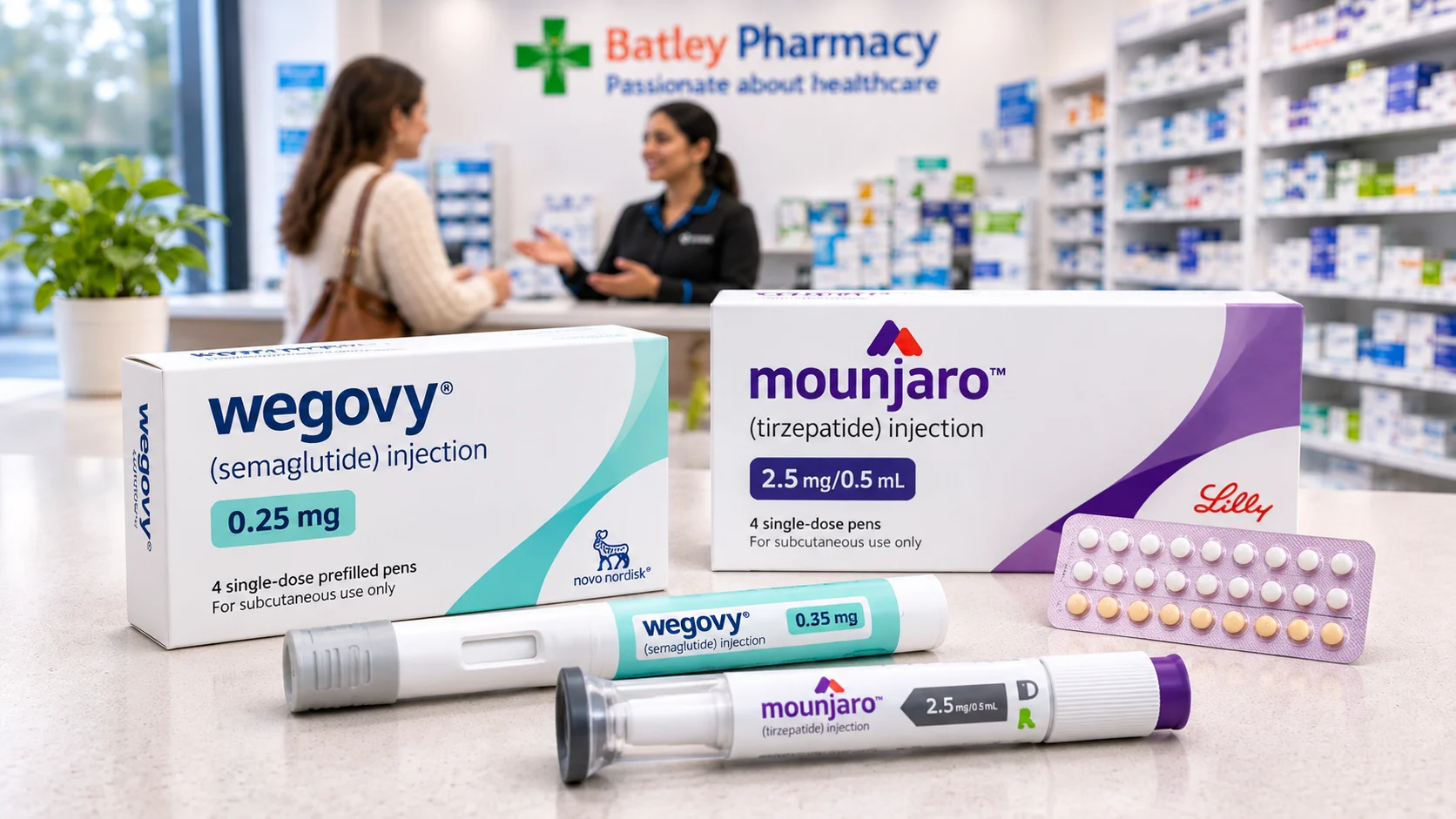
GLP-1 Medications and Oral Contraceptives

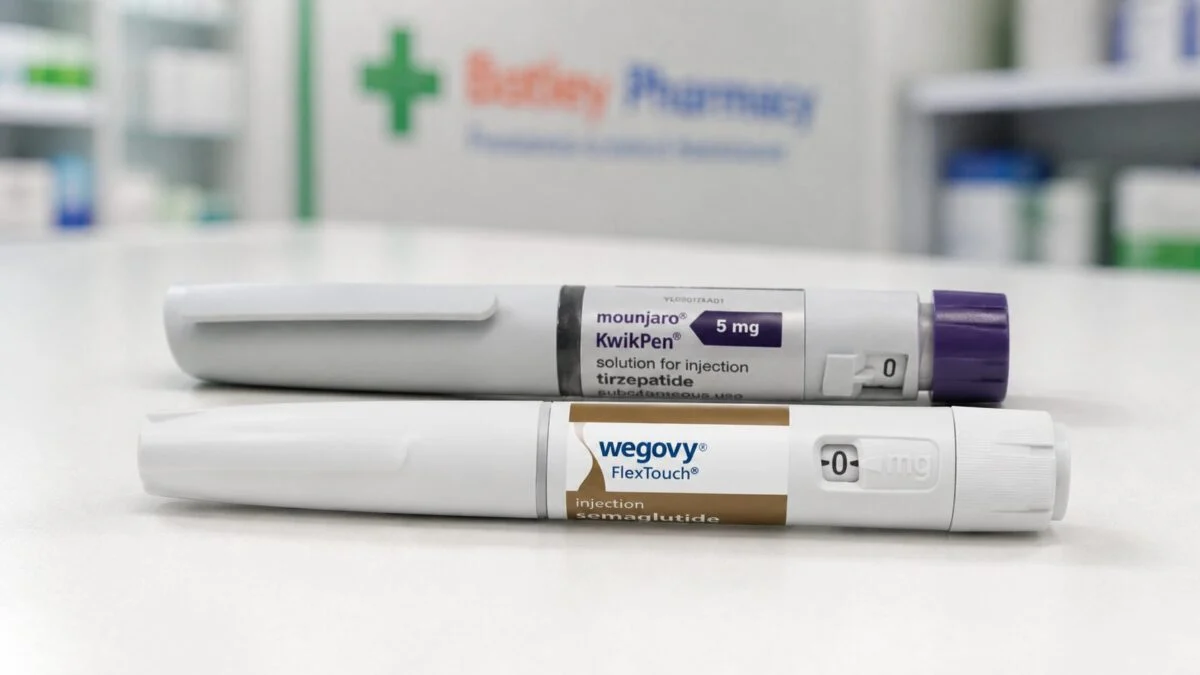
GLP-1 medications and oral contraceptives can be used together, but the precautions you need depend on which injection you take. Mounjaro (tirzepatide) can reduce how well your body absorbs the contraceptive pill, so UK guidance advises using condoms for four weeks after starting and after every dose increase, or switching to a non-oral method. Wegovy (semaglutide) does not directly lower pill effectiveness, though vomiting or severe diarrhoea from either treatment can still prevent your pill from working properly.

At Batley Pharmacy, we regularly help local patients navigate weight loss injections and contraception safely. Here is the clear, practical UK pharmacy advice you need to stay protected throughout your treatment.

Key Takeaways

  • GLP-1 medications and oral contraceptives require careful clinical management.
  • Mounjaro can reduce pill absorption through delayed gastric emptying.
  • Use barrier contraception for four weeks after Mounjaro dose increases.
  • Wegovy does not directly lower pill effectiveness, though vomiting can.
  • Non-oral contraceptives offer reliable, unaffected protection.
  • Visit Batley Pharmacy for trusted advice.

How Do GLP-1 Medications Affect the Contraceptive Pill?

To understand why a GLP-1 interaction can occur, it helps to look at how these injections work. Medicines like Wegovy (semaglutide) and Mounjaro (tirzepatide) mimic natural gut hormones that regulate blood sugar and suppress appetite. One of their key mechanisms is delayed gastric emptying, which slows down how quickly food and liquids leave your stomach.

While slower digestion helps you feel fuller for longer, it can also alter the timing and rate at which swallowed tablets, including the combined oral contraceptive pill and the progestogen-only pill (mini-pill), are absorbed into your bloodstream. In addition, common stomach-related side effects such as vomiting and severe diarrhoea can prevent your body from absorbing the pill altogether.

Mounjaro Birth Control UK: What You Need to Know

Mounjaro (tirzepatide) is a dual GIP and GLP-1 receptor agonist. Clinical studies show that tirzepatide can measurably reduce the absorption of oral contraceptive hormones, particularly when you first start treatment or move up to a higher dose.

According to official MHRA guidance on weight loss injections and contraception, women who are overweight or living with obesity and taking Mounjaro should take extra precautions if they rely on oral contraceptives. Specifically, you are advised to:

  • Use an additional barrier method of contraception (such as condoms) for 4 weeks after starting Mounjaro.
  • Use a barrier method for 4 weeks after every dose increase.
  • Alternatively, consider switching to a reliable non-oral contraceptive method.

Once you have been stable on the same dose for more than four weeks, the impact on gastric emptying tends to settle. However, if you are still deciding between treatments, our guide on comparing Wegovy and Mounjaro in the UK explains how their mechanisms and clinical profiles differ.

Wegovy Contraceptive Pill Guidance

Many patients ask whether the Wegovy contraceptive pill combination carries the same direct risk as Mounjaro. Reassuringly, clinical evidence shows that semaglutide (the active ingredient in Wegovy and Ozempic) does not reduce the overall absorption of oral contraceptive hormones to a clinically significant degree.

That said, Wegovy can still affect your contraception indirectly. Nausea, vomiting, and diarrhoea are common side effects, especially during the first few weeks of treatment or after a dose escalation. If you vomit within three to four hours of taking your pill, or experience severe diarrhoea lasting longer than 24 hours, your body may not absorb the hormones properly. In these situations, you must follow the missed pill rules in your patient information leaflet and use condoms until you are protected again.

GLP-1 Medications and Contraception: At-a-Glance Comparison

MedicationDirect Effect on Oral PillRecommended Action for Pill UsersStop Before Trying to Conceive
Mounjaro (Tirzepatide)Can reduce hormone absorptionUse condoms for 4 weeks after starting and after each dose increase, or switch to non-oral contraceptionAt least 1 month before planning  pregnancy
Wegovy (Semaglutide)No direct clinically relevant reductionContinue pill normally, but follow missed pill rules if vomiting or severe diarrhoea occursAt least 2 months before planned pregnancy

Non-Oral Contraceptives: Reliable Alternatives

If you are using Mounjaro, or if you experience persistent stomach upset on Wegovy, switching to a non-oral contraceptive removes the worry of reduced pill absorption. Because these methods bypass the digestive system completely, delayed gastric emptying and vomiting do not affect how well they work.

Unaffected non-oral options include:

  • Intrauterine devices (IUDs): Both the hormonal coil and the non-hormonal copper coil.
  • Contraceptive implant: A small, flexible rod placed under the skin of the upper arm.
  • Contraceptive injection: Administered every 8 to 13 weeks depending on the brand.
  • Contraceptive patch or vaginal ring: Delivers hormones through the skin or vaginal tissue.
  • Barrier methods: Male or female condoms, which also protect against sexually transmitted infections.

If you would like to review your current pill or discuss your options confidentially, you can access our NHS Pharmacy Contraception Service at Batley Pharmacy without needing to wait for a GP appointment.

Pregnancy Planning and Emergency Contraception

GLP-1 and dual GIP/GLP-1 medications must not be used during pregnancy, as there is insufficient safety data in pregnant humans and animal studies have shown potential risks to a developing baby. Furthermore, losing weight can naturally restore regular ovulation, particularly for women with polycystic ovary syndrome (PCOS), making effective contraception even more important.
Like If:

You are planning a pregnancy, you should stop Mounjaro at least 1 month before trying to conceive, and stop Wegovy at least 2 months beforehand.
You think you may have become pregnant while using a weight loss injection, stop the medication and contact your GP or prescriber promptly.

If you have had unprotected sex or experienced vomiting after taking your regular pill, you may need urgent backup protection.
You can read more about emergency contraception options in the UK or visit our pharmacy straight away.


Note that the copper IUD is the most effective emergency option and is completely unaffected by weight loss injections.

When to Seek Medical Advice

Always inform your prescriber about all medicines you take before starting weight loss treatment. Through Batley Pharmacy’s weight loss support service, our pharmacists review your full medical history and current prescriptions to keep your treatment safe.

You should speak to a pharmacist or GP if you are unsure whether your pill has been absorbed after vomiting, or if you want to switch contraceptive methods. 

Seek urgent medical help via NHS 111 or call 999 if you experience severe, persistent abdominal pain, signs of severe dehydration, or an allergic reaction. 

Batley Pharmacy advice is here to support your everyday health, but it never replaces emergency medical care.

Final Words

Managing GLP-1 medications and oral contraceptives safely comes down to knowing which injection you use and staying alert to digestive side effects. While Wegovy does not directly weaken the pill, Mounjaro requires extra barrier protection for four weeks after starting and after every dose increase. 

If you have questions about your contraception or weight management plan, pop into Batley Pharmacy or contact our friendly team today for confidential, pharmacist-led support.

FAQs

Does Mounjaro stop the contraceptive pill from working?

Mounjaro does not make the pill completely ineffective, but it can reduce how well your body absorbs oral contraceptive hormones. UK guidance advises using condoms for 4 weeks after starting Mounjaro and for 4 weeks after each dose increase, or switching to a non-oral contraceptive.

Does Wegovy affect the contraceptive pill?

Clinical studies show that Wegovy (semaglutide) does not directly reduce the effectiveness of combined or progestogen-only pills. However, if Wegovy causes vomiting within a few hours of taking your pill, or severe diarrhoea lasting over 24 hours, your pill may not be absorbed properly.

Which birth control is best while taking GLP-1 weight loss injections?

Non-oral contraceptives such as the hormonal or copper coil (IUD), contraceptive implant, injection, patch, or vaginal ring are not affected by delayed gastric emptying or stomach upset. A pharmacist or GP can help you choose the safest option for your health.

Can I take the morning-after pill while on Mounjaro or Wegovy?

Yes, emergency contraceptive pills can be used, though vomiting within three hours of taking one may mean you need a repeat dose. The copper IUD is the most reliable form of emergency contraception because it is unaffected by weight or digestive side effects. Speak to a pharmacist promptly for tailored advice.

How long before trying for a baby should I stop Mounjaro or Wegovy?

You should stop Mounjaro at least 1 month before trying to conceive, and stop Wegovy at least 2 months before trying to conceive, to allow the medication to clear from your body safely. Always consult your GP or pharmacist when planning a pregnancy.
Still Got Questions?

We're here to help you find the answers you need!

Contact Us

Shots vs. Pills: Which GLP-1 Works Best For Weight Loss

TL;DR
Choosing between a GLP-1 for weight loss injection or pill depends on your preference and clinical eligibility. Discover how oral GLP-1 vs injections compare on results, safety, and pharmacy availability.

The landscape of weight management in the UK has evolved at a breathtaking pace over the last few years. If you are exploring medical options to manage your weight, you have likely heard of glucagon-like peptide-1 (GLP-1) receptor agonists. These treatments have fundamentally changed how we address chronic weight management by working with the body’s natural biology to manage appetite. However, as new options emerge, many patients are left facing a critical question: Should I choose weekly injections or a daily pill?

At Batley Pharmacy, we understand that every patient’s journey is entirely unique. Choosing a GLP-1 for weight loss is a significant medical decision that requires balancing clinical effectiveness, personal lifestyle, and medical history. This comprehensive guide breaks down the science behind GLP-1 injections versus GLP-1 pills, helping you understand the differences in results, daily management, and what is currently approved for use in the UK.

Understanding GLP-1 for Weight Loss

To understand the difference between a shot and a pill, it helps to understand exactly what a GLP-1 receptor agonist does. GLP-1 is a synthetic version of a hormone naturally released by your gut after you eat.

This hormone performs several crucial roles to support weight management:

  • Appetite Regulation: It targets areas of the brain that control hunger, effectively turning down the “food noise” and reducing cravings.
  • Slowing Gastric Emptying: It delays how quickly your stomach empties its contents. This means food stays in your stomach longer, keeping you feeling fuller for extended periods.
  • Blood Sugar Management: It helps the body produce insulin efficiently when blood sugar rises, making it a valuable tool for metabolic health.

Whether administered via a needle or swallowed as a tablet, the underlying biological mechanism remains focused on helping you eat less while following a reduced-calorie diet.

GLP-1 Injections: The Established Gold Standard

For most patients in the UK, GLP-1 injections are the most recognisable form of this treatment. Medications like Wegovy (semaglutide) and Mounjaro (tirzepatide, which is a dual GLP-1/GIP agonist) are administered just once a week using a small, pre-filled injection pen.

Why Injections Are Highly Effective

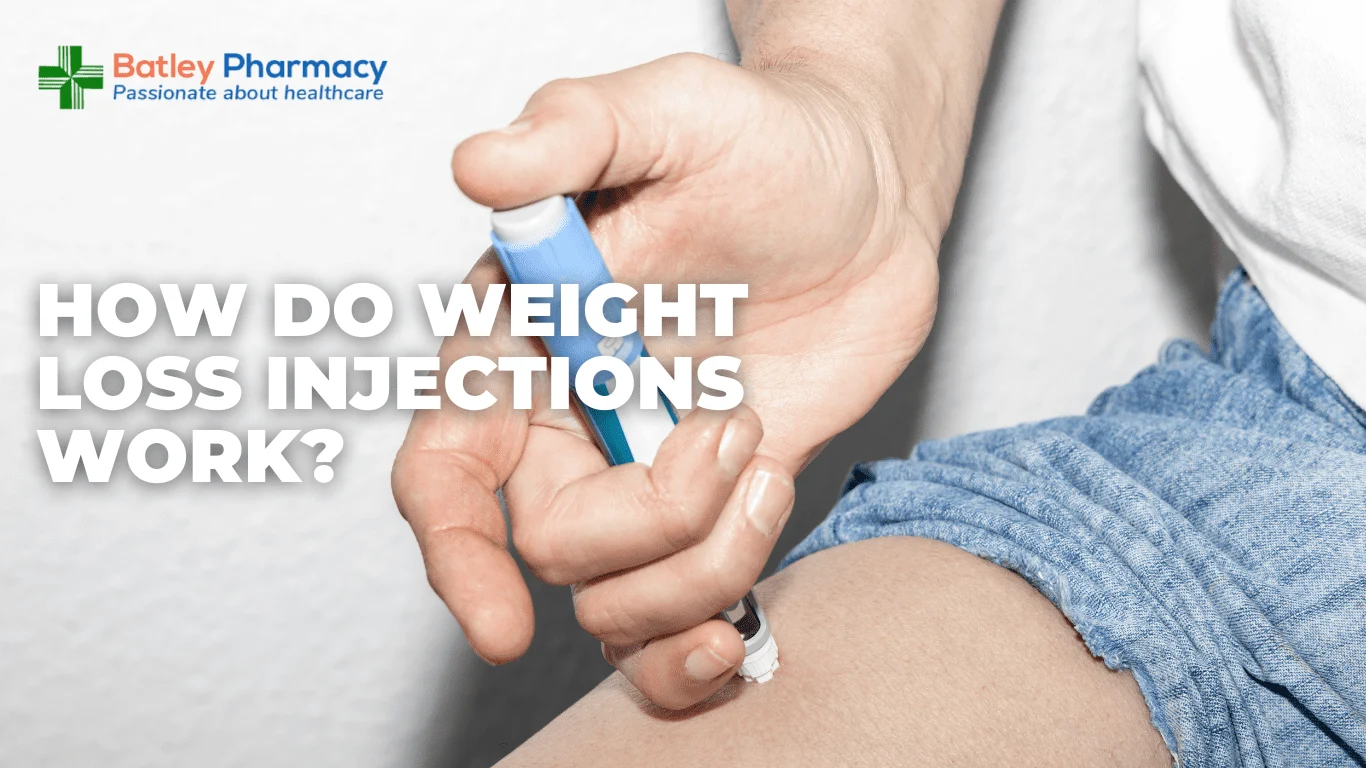
Injections are delivered subcutaneously, meaning just under the skin of the abdomen, thigh, or upper arm. Because the medicine enters the fatty tissue directly, it bypasses the digestive system and the liver’s “first-pass” metabolism. This allows the active compound to be absorbed into the bloodstream with near-perfect efficiency.

In major clinical trials, such as the landmark STEP 1 trial published in the New England Journal of Medicine, a once-weekly injection of semaglutide 2.4 mg resulted in an average body weight reduction of roughly 14.9% over 68 weeks. Newer data around higher maintenance doses has shown potential weight loss results reaching up to 21% over a longer period.

If you are considering starting an injectable treatment pathway, our team at Batley Pharmacy is here to help. Our weight loss support service provides a welcoming environment where a clinician can guide you through the titration process, monitor your progress, and help you manage side effects safely.

GLP-1 Pills: The Needle-Free Alternative

GLP-1 for weight loss

For individuals who have a severe phobia of needles or find the refrigeration requirements of injection pens inconvenient, GLP-1 pills represent an incredibly attractive alternative.

The Absorption Challenge

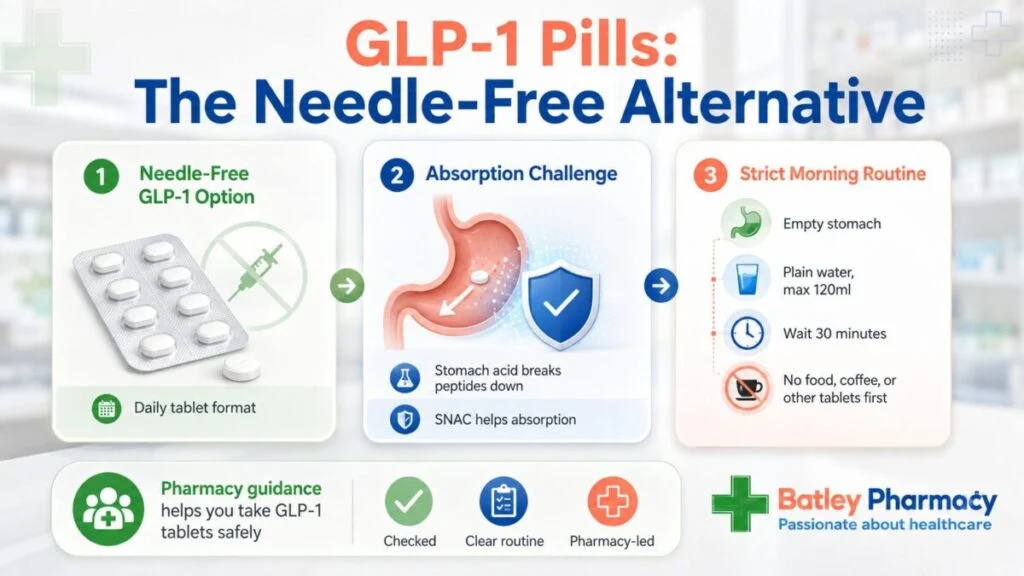
Creating an oral version of a peptide hormone is a major scientific feat. The human stomach is highly acidic and designed to break down proteins and peptides into basic amino acids before they can be absorbed. To survive this harsh environment, oral GLP-1 vs injections formulations require a specialised absorption enhancer (known as SNAC) to allow a tiny fraction of the medicine to safely pass through the stomach lining into the blood.

Because oral bioavailability is naturally much lower through the gut, oral treatments must be taken strictly every single day rather than once a week.

Strict Administration Rules

To make sure a GLP-1 tablet works effectively, patients must follow a very specific morning routine:

  1. Take the tablet first thing in the morning on an completely empty stomach.
  2. Swallow it whole with a small sip of plain water (no more than 120ml).
  3. Wait at least 30 minutes before eating, drinking anything else, or taking any other oral medications.

Skipping this routine or taking the pill with a morning coffee can completely prevent the medication from being absorbed.

Oral GLP-1 vs Injections: A Comparison of UK Options

When evaluating a weight loss treatment comparison, it is crucial to understand what is legally and safely licensed for obesity management in the UK.

Semaglutide Tablets (Rybelsus)

Currently, the primary oral semaglutide tablet available in the UK is branded as Rybelsus. However, according to the Gov.uk MHRA guidelines, Rybelsus is exclusively licensed for the treatment of Type 2 diabetes. It is not an officially licensed obesity medication in the UK. While it contains the exact same active ingredient as Wegovy, the doses currently available for diabetes are generally lower than what is required for optimal weight management.

The Future of Weight Loss Pills

Pharmaceutical companies are heavily investing in developing high-dose weight loss tablets specifically for obesity. Clinical trials for high-dose oral semaglutide (such as the OASIS trial) have shown that a daily 25mg or 50mg pill can produce weight loss results reaching roughly 14% on average, putting it on par with weekly injections. Additionally, new non-peptide oral options like Orforglipron are actively in development.

At Batley Pharmacy, we keep a close eye on the latest regulatory updates so we can offer our patients the most modern, approved treatments. If you are confused about what options you are eligible for, you can browse our comprehensive range of in-clinic pharmacy services or speak directly to our pharmacist.

Comparison at a Glance

FeatureGLP-1 Injections (e.g., Wegovy)GLP-1 Pills (e.g., Licensed Oral Options)
FrequencyOnce-weeklyOnce-daily
UK Weight Loss LicenseFully approved and widely availableStrictly brand & dose specific (Check licensing)
Average Weight LossApprox. 15% to 21% depending on doseGenerally slightly lower at standard diabetes doses
StorageRequires refrigeration before useRoom temperature storage
Administration RuleSimple injection techniqueVery strict morning fasting routine

Safety, Side Effects, and Pharmacy Supervision

Because all GLP-1 medications are “Prescription Only Medicines” (POMs), you can only safely and legally acquire them after a thorough medical consultation. It is critical to buy your medication from a registered, reputable brick-and-mortar provider like Batley Pharmacy to avoid dangerous, unregulated counterfeit products online.

Shared Side Effects

Whether you choose a shot or a pill, the side effect profiles are very similar because they act on the exact same hormone pathways. The most common complaints are gastrointestinal:

  • Nausea and occasional vomiting
  • Indigestion or heartburn
  • Constipation or diarrhoea

These symptoms are usually mild to moderate and typically improve as your body gets used to the medication. However, rare and serious complications can occur, such as acute pancreatitis (indicated by severe, persistent stomach pain that radiates to your back). If you ever experience serious symptoms, you must seek immediate medical attention from an A&E department or contact NHS 111.

If you are dealing with minor health complications alongside your weight management, our NHS Pharmacy First service is available to assess and treat seven common minor conditions without needing to wait for a GP appointment. Keeping up with routine wellness, including flu and COVID vaccinations, is also highly recommended while undergoing any significant medical treatment.

Which Option is Best for You?

When deciding between shots and pills, your choice will ultimately depend on your medical eligibility, lifestyle, and preferences.

  • Choose Injections If: You want a proven, fully licensed UK weight loss option, prefer only thinking about your medication once a week, and are comfortable using a tiny needle.
  • Choose Oral Options If: You have a severe needle phobia, travel frequently without access to refrigeration, and can strictly commit to a daily morning fasting routine.

Regardless of the method, remember that these medications are designed to support a healthy lifestyle, not replace it. The most successful weight loss outcomes happen when a GLP-1 is paired with a balanced diet and regular physical activity.

Conclusion

The choice between a shot and a pill represents an exciting boundary in modern medicine, offering more flexibility than ever before. While injectable GLP-1 treatments remain the leading licensed choice for weight loss in the UK today, oral alternatives are quickly closing the gap.

If you are ready to take the next step toward a healthier weight, please visit us at Batley Pharmacy. Our clinical team is dedicated to providing friendly, professional, and entirely personalized care to help you discover the treatment pathway that fits perfectly into your life.

FAQs

Are weight loss pills as effective as injections?

Currently licensed standard-dose diabetes tablets in the UK generally yield lower average weight loss results than dedicated weight loss injections. However, high-dose oral weight loss pills currently in development are showing results that closely match injections.

Can I get GLP-1 weight loss pills on the NHS?

At present, oral GLP-1 tablets like Rybelsus are only available on the NHS for patients managing Type 2 diabetes who meet strict clinical criteria. Injectable options like Wegovy are available via specialist NHS weight management clinics, though waiting lists can be long.

What happens if I forget to take my GLP-1 pill on an empty stomach?

If you eat before taking your pill, the absorption enhancer will not work, and the medication will likely be destroyed by your stomach acids. You should skip that day’s dose and resume your strict routine the following morning.

Can I switch from GLP-1 injections to pills?

Yes, switching is clinically possible, but it must be entirely managed by a qualified healthcare professional to ensure your dose is converted safely without causing severe digestive side effects.

Still Got Questions?

We're here to help you find the answers you need!

Contact Us

Why Some People Benefit More From Weight Loss Jabs | Latest Study 

TL;DR
Wondering why weight loss jabs yield different results for different people? A breakthrough study reveals how eating habits and underlying medical factors determine your personal response to treatment.

The rise of medical weight management has completely transformed how we approach health and obesity in West Yorkshire. Today, millions of people across the UK use medications like Wegovy and Mounjaro to support their long-term health journeys. Yet, one of the most common observations shared by patients and clinicians alike is the sheer variability in results. While some individuals experience rapid and substantial weight reduction, others see far more modest changes on the exact same dosage.

If you have ever wondered why a friend or family member seems to have a completely different experience with these treatments, a recent clinical study has provided fascinating answers. It turns out that your biological makeup, underlying medical conditions, and your psychological relationship with food all play a major role in how your body responds.

At Batley Pharmacy, we believe that personalised insights lead to better health outcomes. Understanding the science behind these variations helps us tailor our patient care to support you effectively throughout your journey.

The Science of the “External Eater” vs “Emotional Eater”

A landmark study published in Frontiers in Clinical Diabetes and Healthcare investigated why GLP-1 receptor agonists do not work equally well for everyone. The researchers monitored patients over a 12-month period, closely analysing how specific eating behaviours and behavioural patterns directly influenced long-term weight reduction and blood glucose control.

The findings highlighted a distinct difference between two primary types of eating behaviours:

External Eating

This behaviour occurs when a person is driven to eat primarily by external stimuli—such as the appealing sight, smell, or presence of tempting food—rather than actual physical hunger.

Emotional Eating

This pattern involves consuming food as a coping mechanism in response to negative emotions, stress, anxiety, or psychological triggers.

The study revealed that weight loss jabs are profoundly effective for individuals with high baseline scores for external eating. Because GLP-1 and GIP medications work heavily on the brain’s reward centers to quieten “food noise” and reduce appetite, they excel at dampening the temptation caused by the sight or smell of food.

Conversely, the study found that the effectiveness of these treatments was less pronounced for primary emotional eaters. Psychological triggers and deep-rooted emotional habits are not directly altered by metabolic hormones alone, meaning that the underlying urge to eat during stressful periods can sometimes override the physiological satiety signals delivered by the medicine.

Medical Factors That Influence Your Results

Beyond behavioural patterns, your unique medical background dictates how efficiently your body processes and responds to these weekly injections.

The Diabetes Impact on Weight Loss

Clinical data consistently demonstrate that patients living with type 2 diabetes often lose weight at a slower rate compared to non-diabetics. Because diabetes inherently alters insulin secretion and compromises metabolic hormone pathways, the body requires more time and metabolic adjustment to respond fully to the medication.

Concurrent Medications and Health Conditions

Certain underlying health conditions can create hidden physiological barriers to weight loss. Endocrine disorders like untreated hypothyroidism slow down the baseline metabolic rate, directly blunting the effects of the injections. Furthermore, taking concurrent medications that naturally promote weight gain—such as specific corticosteroids, beta-blockers, or certain antidepressants—can actively counteract the appetite-suppressing benefits of your treatment.

If you are navigating complex health concerns, our professional team is here to help. Batley Pharmacy’s Pharmacy First service offers essential care and advice for an array of minor health conditions, ensuring your wider medical needs are met safely without needing a traditional GP appointment.

The Critical Role of Proper Dosage and Duration

In clinical practice, a significant portion of what looks like “medication failure” is actually a result of incorrect titration or premature discontinuation.

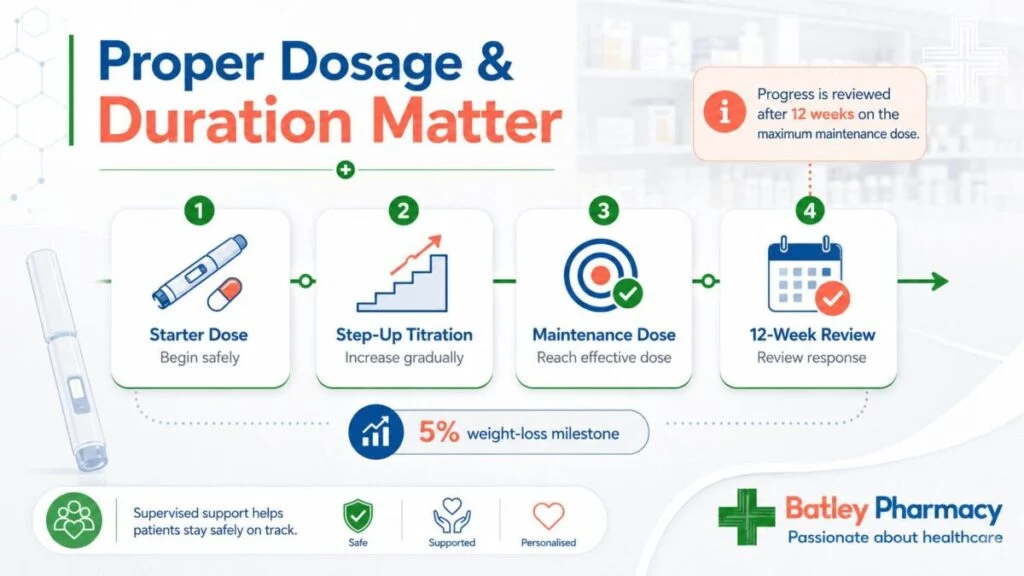
  • The Satiety Baseline: Most patients require several months of consistent therapy to allow their physiological pathways to adapt and to reach the optimal therapeutic maintenance doses. Remaining on lower, subtherapeutic starter doses for too long will significantly limit your overall progress.
  • The 12-Week Rule: Clinical guidelines from bodies like NICE (National Institute for Health and Care Excellence) state that a patient’s progress should be formally evaluated after 12 weeks on the maximum maintenance dose. If a patient has not achieved at least a 5% reduction in total body weight by this milestone, it may indicate that their body is non-responsive to that specific hormone pathway.

To help you stay on track, we provide a supportive environment where your titration can be supervised step-by-step. Our comprehensive weight loss support service is carefully structured to guide local residents through these critical milestones safely and comfortably.

Why Lifestyle Modifications Are Never Optional

A common misconception propagated by social media is that weight loss jabs allow you to lose weight without making any changes to your daily life. However, clinical trials conducted by global pharmaceutical leaders never study the medication in isolation; every single trial mandates a structured, reduced-calorie diet and regular physical activity.

StageMain RoleOutcome
Weight Loss MedicationQuiets “food noise” and suppresses appetiteHelps reduce cravings and appetite
Lifestyle AdjustmentsCaloric deficit, lean protein, and resistance trainingSupports fat loss while protecting muscle
Sustainable EfficacyLong-term weight maintenance and muscle preservationHelps maintain results over time

Because rapid weight reduction can lead to a natural loss of lean muscle mass alongside fat tissue, performing regular resistance training and maintaining a protein-rich diet are essential to keep your metabolism strong.

At Batley Pharmacy, we advocate for holistic wellness. While managing your metabolic health, it is equally vital to stay up-to-date with routine immunisations. You can easily access our flu and COVID vaccination service during your regular check-ins to ensure your body’s immune system remains fully protected.

Maximising Your Efficacy Locally in Batley

Obesity is a complex, multi-layered metabolic condition. No two journeys are identical, which is why localised, face-to-face pharmaceutical care is so incredibly valuable. Rather than ordering from unverified online platforms, visiting a community pharmacist ensures that your blood pressure, BMI, and potential drug interactions are accurately reviewed by an expert.

Our team offers customised care to help local families build healthier futures. From dispensing prescriptions to providing specialised consultations, you can discover our full range of NHS and private pharmacy services designed to support the West Yorkshire community.

Summing Up

The latest scientific insights prove that variability in weight loss isn’t a personal failure—it is a reflection of our unique biological and behavioural diversity. Knowing whether you are an external or emotional eater can unlock the key to maximising the efficacy of your treatment.

If you want to understand how to get the absolute best results from your health journey, come and speak to the dedicated team at Batley Pharmacy. We are proud to provide the personalised care, clinical expertise, and supportive guidance that Batley residents deserve.

FAQs

Why am I not losing weight on weight loss jabs?

If your treatment isn’t yielding results, it could be due to an inadequate dose, an underlying endocrine condition like hypothyroidism, or concurrent medications that promote weight gain. It is also essential to ensure the medication is paired with a consistent caloric deficit.

What did the new study discover about eating habits?

The recent study showed that weight management injections work exceptionally well for “external eaters” who are triggered by the sight and smell of food. However, they are less effective for “emotional eaters” who consume food to cope with stress or negative emotions.

How much weight do people lose on average?

According to data reviewed by the NHS and clinical trials, patients using modern GLP-1 or dual GIP/GLP-1 injections can lose between 15% and 22.5% of their total body weight on average, depending on the specific medication, dosage, and lifestyle compliance.

Can emotional eating override the effects of the injection?

Yes, psychological and emotional triggers can sometimes cause a person to override the physiological fullness signals sent by the drug. Combining the injection with behavioral or psychological support is often required for emotional eaters.

When should I stop taking a weight loss injection if it isn’t working?

UK medical consensus recommends evaluating treatment after 12 weeks at the maximum maintenance dose. If you haven’t lost at least 5% of your starting weight, you should consult your pharmacist or GP to discuss alternative paths.

Still Got Questions?

We're here to help you find the answers you need!

Contact Us

Tirzepatide vs Semaglutide UK: Which Weight Loss Injection is Best?

TL;DR
Comparing tirzepatide vs semaglutide UK options is essential for weight management. Discover the clinical differences between Mounjaro and Wegovy, expected results, and how Batley Pharmacy supports your health journey safely.

The landscape of weight management in the UK has shifted dramatically with the introduction of GLP-1 receptor agonists. If you have been researching medical weight loss, you have likely come across the debate of tirzepatide vs semaglutide UK patients are currently navigating. These medications have transformed how we approach chronic weight management, offering hope to those who have struggled with traditional diet and exercise alone.

At Batley Pharmacy, we understand that choosing the right treatment is a significant decision. With various brands like Wegovy and Mounjaro available, it can be confusing to know which injection might be most suitable for your specific needs. Our goal is to provide a clear, medically accurate comparison to help you make an informed choice alongside our professional healthcare team.

What is the Difference Between Tirzepatide and Semaglutide?

While both medications are used for weight loss, they work in slightly different ways within the body. Understanding these mechanisms is key to understanding the semaglutide vs tirzepatide comparison UK clinicians use to guide patients.

How Semaglutide Works

Semaglutide (the active ingredient in Wegovy) is a selective GLP-1 (glucagon-like peptide-1) receptor agonist. It mimics a natural hormone produced in your gut that targets areas of the brain that regulate appetite and food intake. Increasing feelings of fullness and slowing down gastric emptying, it helps you eat less without feeling constantly hungry.

How Tirzepatide Works

Tirzepatide (the active ingredient in Mounjaro) is a “dual agonist.” It mimics two hormones: GLP-1 and GIP (glucose-dependent insulinotropic polypeptide). The addition of GIP is thought to further enhance the body’s ability to break down sugar and fat, while also suppressing appetite. This “twincretin” approach is why many clinical discussions focus on whether tirzepatide offers a more potent metabolic effect.

Mounjaro vs Wegovy Results UK: What Does the Evidence Say?

When comparing Mounjaro vs Wegovy results UK, we look at large-scale clinical trials. It is important to remember that individual results will vary based on lifestyle, starting weight, and adherence to the treatment plan.

In clinical trials like the SURMOUNT-1 study for tirzepatide and the STEP trials for semaglutide, both showed significant efficacy. Generally, tirzepatide weight loss results have shown a higher percentage of body weight loss on average compared to semaglutide at their respective maximum doses. However, semaglutide remains a highly effective, gold-standard treatment that has a longer track record of use in the UK for weight management.

Choosing the best GLP-1 UK 2026 and beyond isn’t just about the highest percentage of weight loss; it’s about which medication your body tolerates best and which fits your clinical profile. For many, the gradual and steady progress seen with semaglutide is the ideal path.

FeatureWegovy (Semaglutide)Mounjaro (Tirzepatide)
Drug ClassSingle Agonist (GLP-1)Dual Agonist (GLP-1 & GIP)
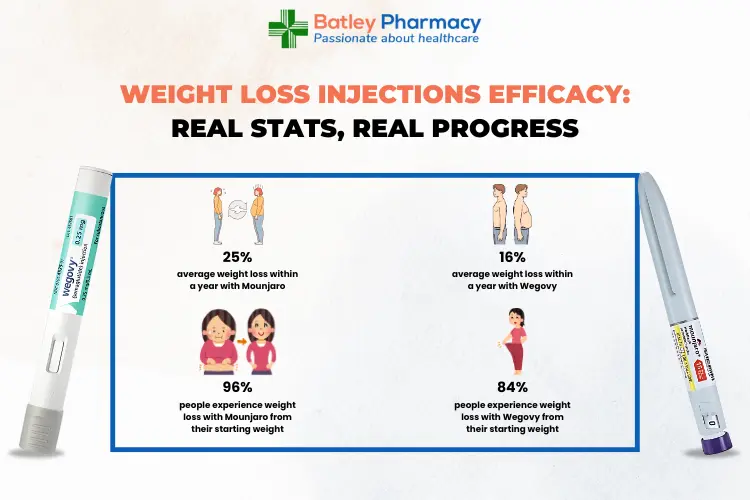
Average Weight LossApprox. 15% of body weightApprox. 20.9% to 22.5% of body weight
Trial Duration68 Weeks72 Weeks
AdministrationOnce-weekly injectionOnce-weekly injection
Primary Trial SourceSTEP 1 Clinical TrialSURMOUNT-1 Clinical Trial
UK Regulatory StatusApproved for Weight ManagementApproved for Weight Management
Common Side EffectsNausea, diarrhoea, constipationNausea, diarrhoea, decreased appetite
NICE GuidanceRecommended for BMI 30+ (with conditions)Recommended for BMI 30+ (with conditions)

Managing Your Weight Loss Journey at Batley Pharmacy

Starting a weight loss injection is a clinical process, not a retail transaction. At Batley Pharmacy, we provide a wrap-around service to ensure you are safe and supported. Our weight loss support service is designed to help you navigate these options with expert guidance.

We don’t just provide the medication; we help you manage potential side effects and monitor your progress. This holistic approach is why many residents choose a local pharmacy for health advice rather than an anonymous online provider. We are here to answer your questions in person, ensuring your safety throughout the titration process.

Common Side Effects to Expect

tirzepatide vs semaglutide UK

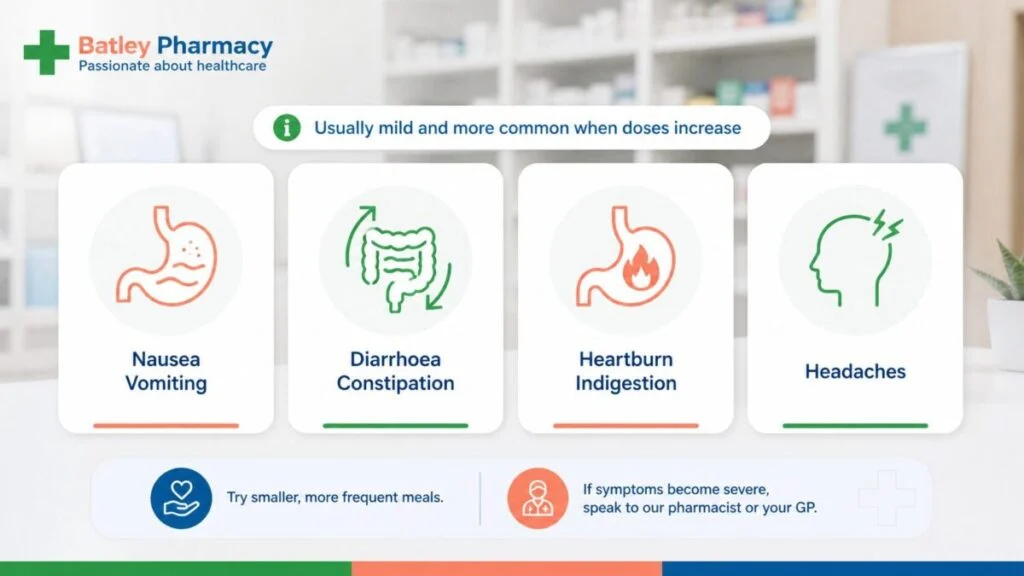
Both medications share a similar side effect profile, primarily affecting the digestive system. Most symptoms are mild to moderate and occur most often when increasing your dose. Common side effects include:

  • Nausea or vomiting
  • Diarrhoea or constipation
  • Heartburn or indigestion
  • Headaches

Our pharmacists can offer practical tips to manage these, such as eating smaller, more frequent meals. If side effects become severe, it is vital to speak with our team or your GP immediately.

Eligibility and the Pharmacy First Approach

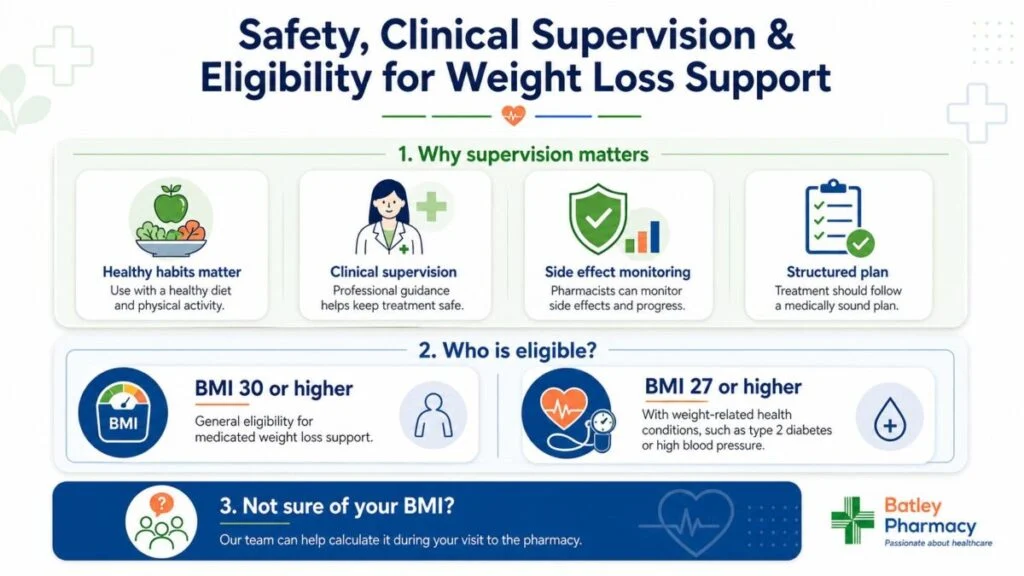
To be eligible for these treatments in the UK, you generally need to meet specific BMI (Body Mass Index) criteria, usually a BMI of 30 or above, or 27 or above with a weight-related health condition like high blood pressure.

While weight loss is a major focus, we also encourage patients to look at their wider health. For instance, if your weight has led to other minor health concerns, our Pharmacy First service can assist with specific conditions without needing a doctor’s note. Furthermore, keeping up with preventative care, such as flu and COVID vaccinations, is essential while your body undergoes the changes associated with weight loss.

Safety and Outbound Authority Guidance

Because weight loss injections are “Prescription Only Medicines” (POMs) in the UK, they must be dispensed following a consultation with a qualified prescriber. You should never buy these medications from unregulated websites.

The MHRA (Medicines and Healthcare products Regulatory Agency) regulates these medicines to ensure they meet safety standards. Additionally, the NICE (National Institute for Health and Care Excellence) provides the clinical frameworks that pharmacies like ours follow to ensure medications are prescribed appropriately.

Who Should Avoid These Injections?

These treatments are not suitable for everyone. You must inform your pharmacist if you have a history of:

  • Pancreatitis
  • Severe kidney disease
  • Medullary thyroid carcinoma (or a family history of it)
  • Type 1 diabetes

Lifestyle: The Foundation of Success

No injection is a “magic wand.” For the best results, these medications must be combined with a reduced-calorie diet and increased physical activity. At Batley Pharmacy, we see these injections as a tool to “quiet the food noise” and help you build sustainable habits that will last long after you finish the medication.

We recommend focusing on high-protein meals to maintain muscle mass and staying well-hydrated, which can also help mitigate some of the digestive side effects.

Summing Up

The choice between tirzepatide vs semaglutide UK is a personal one that should be made with professional support. Both offer a significant opportunity to improve your health, reduce the risk of weight-related diseases, and improve your quality of life.

At Batley Pharmacy, we are proud to be a trusted provider of weight management services in West Yorkshire. We invite you to visit us in Batley to discuss your goals in a supportive, professional environment. Whether you choose Mounjaro, Wegovy, or another path, we are here to ensure your journey is safe, effective, and tailored to you.

Frequently Asked Questions

Which is better for weight loss, tirzepatide or semaglutide? 

Clinical data suggests tirzepatide may lead to higher average weight loss, but semaglutide is a proven, effective treatment with a well-established safety profile. The “best” one depends on your individual health history and how you tolerate the medication.

Can I switch from Wegovy to Mounjaro? 

Switching is possible but must be managed carefully by a healthcare professional. You cannot simply swap the pens; a “washout” period or a specific titration schedule is usually required to avoid severe side effects.

How long can I stay on weight loss injections in the UK? 

Under current UK guidance, medications like Wegovy are often prescribed for up to two years. However, newer Mounjaro guidelines are evolving. Your pharmacist will review your progress regularly to determine the appropriate duration for your journey.

Are weight loss injections available on the NHS? 

Yes, but the criteria are very strict, and there are often long waiting lists. Many patients choose to access these treatments through private pharmacy services like ours to start their journey sooner.

Is tirzepatide a tablet or an injection? 

In the UK, both tirzepatide (Mounjaro) and semaglutide (Wegovy) for weight loss are currently administered via a once-weekly subcutaneous injection using a pre-filled pen.

Still Got Questions?

We're here to help you find the answers you need!

Contact Us

Weight Loss Support in Batley: What Services Does Batley Pharmacy Offer?

TL;DR
Discover professional weight loss support Batley residents can trust. From Mounjaro to expert advice, Batley Pharmacy offers clinical weight management services tailored to help you achieve your health goals safely.

Embarking on a journey to manage your weight can feel overwhelming, especially with the sheer volume of conflicting advice found online. Whether you are looking to improve your overall health, manage a long-term condition, or simply feel more comfortable in your own skin, having local, professional guidance is invaluable. If you have been searching for reliable weight loss support Batley, you have come to the right place.

At Batley Pharmacy, we recognise that weight management is not a “one-size-fits-all” process. It requires a balanced approach that combines clinical expertise with genuine empathy. Our team is dedicated to providing a supportive environment where you can discuss your goals and explore modern, evidence-based treatments safely. From lifestyle advice to advanced medicated options, we are here to help the West Yorkshire community lead healthier lives.

Why Professional Weight Loss Support Batley Matters

Many people try to tackle weight loss alone, often cycling through “fad” diets that are difficult to maintain. While the basic principle of weight loss involves a calorie deficit, biological factors, hormones, and lifestyle often complicate the equation. This is where a weight loss clinic, a Batley-based service, becomes essential.

By choosing a pharmacist-led service, you benefit from medical oversight. We can help you understand how your current medications might interact with weight loss treatments and monitor your progress to ensure you are losing weight in a way that is sustainable and safe for your body.

Comprehensive Weight Management Services

Our pharmacy offers a range of services designed to support you at every stage of your journey. We don’t just provide medication; we provide a pathway to better health.

Expert Consultations

Every journey starts with a conversation. When you visit us for private weight loss Batley support, we begin with a thorough consultation. We look at your Body Mass Index (BMI), medical history, and personal challenges. This helps us determine which service or medication is most appropriate for your needs.

Advanced Medicated Options: Mounjaro and GLP-1s

One of the most significant advancements in weight management is the introduction of GLP-1 (Glucagon-Like Peptide-1) receptor agonists. If you are looking for a Mounjaro Batley pharmacy provider, we can offer the clinical guidance needed for these treatments.

Medicines like Mounjaro (Tirzepatide) work by mimicking hormones that target areas of the brain that regulate appetite and food intake. This can help you feel fuller for longer and reduce cravings, making it easier to stick to a reduced-calorie diet. These treatments are often referred to as GLP-1 Batley West Yorkshire residents can access through private clinical services, provided they meet specific safety and BMI criteria.

Integrating Pharmacy First for General Wellness

Sometimes, weight gain or difficulty losing weight can be linked to other minor health concerns. Through our Pharmacy First service, we can assist with various minor conditions, ensuring your overall health is managed while you focus on your weight goals.

The Importance of Safety and Clinical Supervision

While medicated weight loss is highly effective, it is not a “magic wand.” It must be used alongside a healthy diet and increased physical activity. Furthermore, these medications can have side effects, which is why professional supervision is vital.

The NHS provides clear guidelines on the importance of a structured weight loss plan. We follow these principles closely, ensuring that any treatment plan we provide is medically sound. Our pharmacists are trained to monitor for side effects and adjust your plan as necessary to keep you on the right track.

Who is Eligible?

Medicated weight loss support is generally intended for adults with:

  • A BMI of 30 or higher.
  • A BMI of 27 or higher with weight-related health conditions (such as type 2 diabetes or high blood pressure).

If you aren’t sure of your BMI, our team can help you calculate it during a visit to the pharmacy.

Holistic Support Beyond Medication

At Batley Pharmacy, we believe in treating the whole person. Weight loss is as much about mental resilience as it is about physical changes.

  • Nutritional Advice: We can offer simple, practical tips on how to swap high-calorie foods for more nutritious options.
  • Lifestyle Coaching: Small changes, like increasing your daily step count, can make a huge difference over time.
  • Long-term Maintenance: We don’t just want you to lose weight; we want to help you keep it off. Our follow-up appointments are designed to support long-term success.

For those focusing on broader family health, you may also be interested in our other services, such as ear wax removal or flu and COVID vaccinations, ensuring your entire family stays well throughout the year.

Why Choose Batley Pharmacy?

As a local pharmacy, we are part of the Batley community. We offer a level of personal care that large online-only providers often lack. When you choose us for your weight loss support Batley, you have a physical location you can visit for face-to-face advice and support.

We pride ourselves on being approachable and professional. Whether you have questions about the latest GLP-1 Batley West Yorkshire options or simply need a blood pressure check, our team is ready to help. You can explore all our available pharmacy services on our website to see how else we can support your healthcare needs.

Taking the First Step

The hardest part of any weight loss journey is starting. We invite you to visit us in Batley for a confidential chat. No judgment, just professional help tailored to you.

If you are ready to explore your options, including our weight loss clinic Batley services, please contact our team today. We can guide you through the assessment process and help you decide if medicated weight loss or lifestyle support is the right path for you.

FAQs

What is the most effective weight loss medication available in the UK? 

Currently, medications like Mounjaro and Wegovy are among the most effective for weight management when combined with diet and exercise. These belong to the GLP-1 class of drugs. However, the “most effective” medication depends on your individual health profile, which our pharmacist will assess during your consultation.

Do I need a GP referral for weight loss support at Batley Pharmacy? 

No, you do not usually need a GP referral for our private weight loss services. Our pharmacists can conduct an independent clinical assessment to determine your eligibility for treatment. We do, however, recommend informing your GP of any new medications you start.

Are weight loss injections safe? 

When prescribed by a qualified healthcare professional and used according to the instructions, weight loss injections like Mounjaro are considered safe. Like all medicines, they can cause side effects, such as nausea or digestive issues, which is why regular monitoring at our weight loss clinic Batley is important.

How long does it take to see results? 

Results vary from person to person. Most patients begin to see a change within the first few weeks, but significant, sustainable weight loss typically occurs over several months. Consistency with both medication and lifestyle changes is key.

Can I get weight loss support on the NHS? 

The NHS offers weight loss services for those who meet specific criteria, often through your GP. Because NHS wait times can be long, many residents choose our private weight loss Batley service for faster access to consultations and treatments.

Still Got Questions?

We're here to help you find the answers you need!

Contact Us

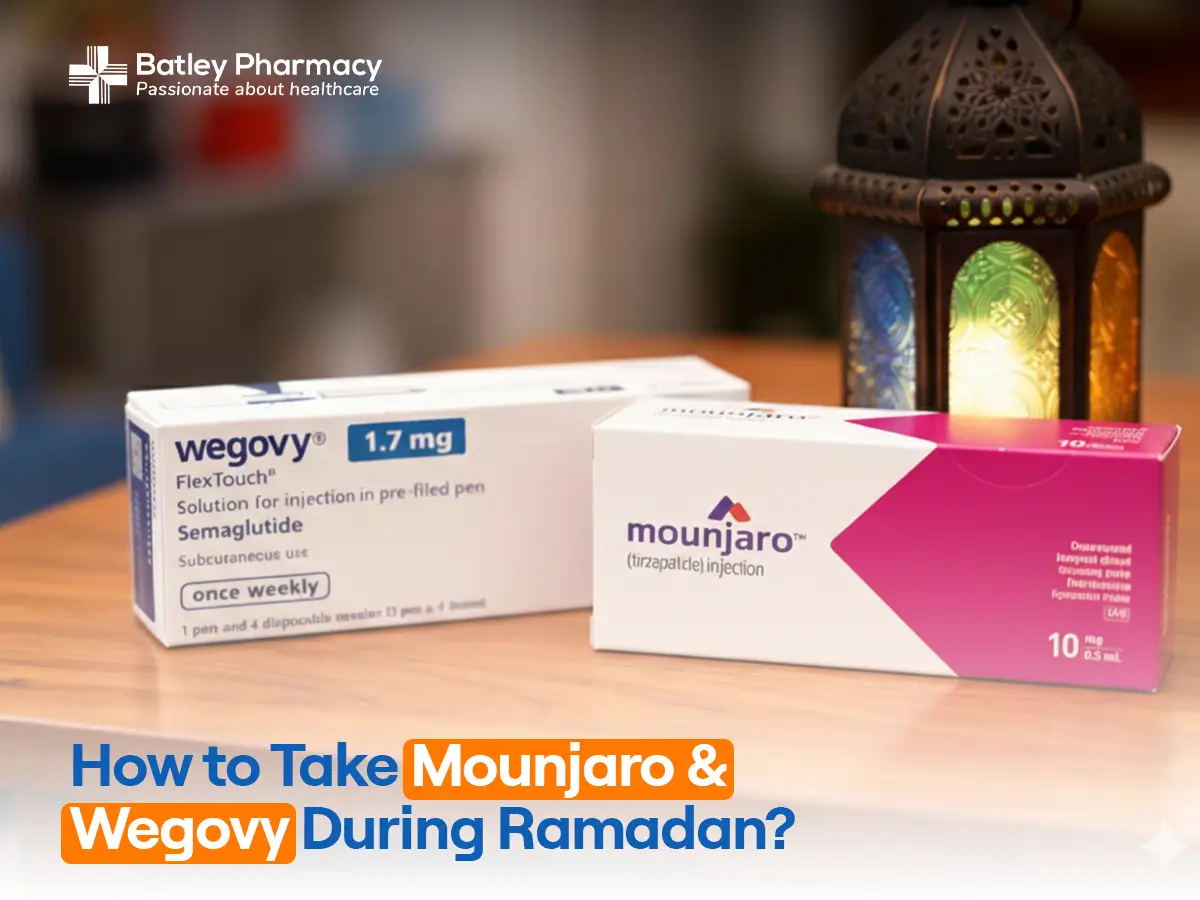
How to Take Mounjaro & Wegovy During Ramadan?

How to Take Mounjaro & Wegovy During Ramadan?

Ramadan is one of the most spiritually significant times of the year for Muslims across the UK and worldwide. For individuals on a weight loss journey using injectable medications such as Mounjaro (tirzepatide) or Wegovy (semaglutide), the holy month often requires thoughtful planning to balance health needs with fasting.

At Batley Pharmacy, we understand that managing your health and honouring your faith must go hand in hand. This guide is designed to answer all of these questions clearly, drawing on clinical evidence and pharmacist expertise so that you can observe Ramadan with confidence while continuing your weight loss treatment safely.

What Are Mounjaro and Wegovy? Understanding GLP-1 Injections During Ramadan

Both Mounjaro and Wegovy belong to a class of medications known as GLP-1 receptor agonists. GLP-1 (glucagon-like peptide-1) is a naturally occurring hormone in the body that regulates appetite and blood sugar levels.

Mounjaro (tirzepatide), manufactured by Eli Lilly, is a dual-action medication that activates both GIP (glucose-dependent insulinotropic polypeptide) and GLP-1 receptors. This dual mechanism makes it particularly effective at: 

  • Reducing appetite
  • Slowing gastric emptying
  • Improving insulin sensitivity

Clinical trials such as the SURMOUNT-1 trial demonstrated that tirzepatide delivered an average weight loss of up to 20.9% of body weight over 72 weeks, making it one of the most effective weight loss medications currently available in the UK.

Wegovy (semaglutide), manufactured by Novo Nordisk, is a GLP-1 receptor agonist that was studied in the extensive STEP clinical trial programme. It works by suppressing appetite, promoting a feeling of fullness, and slowing the movement of food through the digestive system. 

Both medications are administered as once-weekly subcutaneous injections, which is an important advantage when it comes to managing them during Ramadan.

Does Mounjaro Break Your Fast? 

The widely accepted ruling among Islamic scholars is that subcutaneous injections, meaning injections given under the skin, do not break the fast. For an act to invalidate fasting, it must involve the introduction of a substance into the body through a natural opening, or it must be nutritional in nature. 

Subcutaneous injections such as Mounjaro and Wegovy are administered directly into the fatty tissue beneath the skin and do not enter the body through a natural passage. Crucially, they do not provide any caloric or nutritional value to the body.

It is worth noting that Islam also makes explicit provision for those who are unwell or managing a chronic condition. Your health should always come first, and you should speak with both your pharmacist and your religious advisor if you have any doubts.

Is it Safe to Use Mounjaro or Wegovy During Ramadan?

For the majority of people, continuing Mounjaro or Wegovy during Ramadan is safe, but it does require informed planning. 

Dehydration Risk with Mounjaro and Wegovy While Fasting

One of the most significant concerns when using GLP-1 injections during Ramadan is dehydration. Both Mounjaro and Wegovy can reduce your sense of thirst, which is already a recognised side effect of these medications.

When combined with fasting hours that can extend from approximately 4 am to 9 pm during UK spring and summer months, this reduced thirst response potentially leads to dehydration, headaches, dizziness, and fatigue. Clinical guidance consistently recommends aiming for 2 to 3 litres of water between Iftar and Suhoor. 

Hypoglycemia Risk While Fasting on GLP-1 Medications

GLP-1 receptor agonists like Mounjaro and Wegovy have a low risk of causing hypoglycemia on their own because they work in a glucose-dependent manner. This means they stimulate insulin release only when blood sugar is already elevated. 

However, the risk increases significantly if you are also taking other diabetes medications or insulin alongside your GLP-1 injection. If this applies to you, regular blood glucose monitoring during Ramadan is strongly advisable, and you should discuss potential dose adjustments with your GP or pharmacist before the month begins.

Managing Nausea and Gastrointestinal Side Effects While Fasting

Nausea, bloating, and changes in appetite are among the most commonly reported side effects of both Mounjaro and Wegovy. These can be amplified during Ramadan, particularly after Iftar, when people may be eating larger meals than usual after a long day of fasting. 

When to Pause Your Weight Loss Injection During Ramadan?

If you experience severe nausea, persistent vomiting, significant fatigue, or difficulty staying hydrated during non-fasting hours, it may be advisable to pause your treatment for the month of Ramadan. Stopping for four weeks will not undo your weight loss progress. 

Since you are fasting, significant weight gain is unlikely. When restarting, those who were on a dose of 10mg or higher of Mounjaro should restart at 5mg; those on lower doses may restart at their previous dose. Always consult your prescriber before making this decision.

Best Time to Inject Mounjaro & Wegovy During Ramadan: Suhoor or Iftar?

After Iftar (Recommended)

Taking your injection approximately 30 minutes after breaking your fast, during or just after the Maghrib prayer window, is generally considered the best approach. Food intake at Iftar helps buffer gastrointestinal side effects and significantly reduces the risk of nausea on an empty stomach. The Maghrib prayer window provides a natural pause between breaking your fast and your main Iftar meal, which can be an ideal moment for your injection.

After Suhoor (Alternative)

Some clinicians suggest injecting after Suhoor if you are more likely to experience nausea at night or if you prefer to manage any side effects earlier in the eating window. However, injecting close to the start of a long fast can increase the risk of nausea and appetite suppression that interferes with adequate hydration and nutrition during the eating window.

Research involving GLP-1 receptor agonists broadly suggests that injecting after breaking the fast at Iftar is the most well-tolerated approach for the majority of patients during Ramadan fasting. Because Mounjaro and Wegovy are once-weekly injections, you have considerable flexibility in choosing a consistent day and time that works around your Ramadan routine.

Clinical Evidence for GLP-1 Injections During Ramadan

The use of GLP-1 receptor agonists during Ramadan has been the subject of growing clinical research, particularly because these medications were originally developed for type 2 diabetes management.

A comprehensive systematic review and meta-analysis published in 2025 evaluated the safety and efficacy of GLP-1 receptor agonists in patients with type 2 diabetes fasting during Ramadan. The review found that GLP-1 receptor agonists achieved a greater reduction in HbA1c compared to non-GLP-1 medications, with a significantly lower risk of symptomatic hypoglycemia.

For Mounjaro (tirzepatide) specifically, a prospective, multicentre real-world study published in 2025 examined 109 patients with type 2 diabetes who fasted during Ramadan while taking tirzepatide. The study found that tirzepatide was safe and effective during the fasting month, with improvements in glycemic parameters and weight providing important reassurance for patients considering continuing their treatment during the holy month.

The landmark SURMOUNT-5 phase 3 trial compared tirzepatide and semaglutide head-to-head over 72 weeks in people with obesity. Tirzepatide delivered a mean weight loss of 20.2% compared to 13.7% with semaglutide. Both medications showed primarily mild to moderate gastrointestinal side effects, predominantly during dose escalation, which is important context when planning use during Ramadan.

Managing Wegovy Side Effects While Fasting

Taking Wegovy while fasting may require small adjustments to manage side effects and maintain comfort throughout Ramadan.

Nausea and Digestive Discomfort

Nausea is a common side effect and can worsen if you break your fast with heavy or fried foods. Start Iftar with light options like dates, water, and soup before moving to a main meal. Avoid fatty, sugary, and processed foods to help reduce discomfort.

Reduced Appetite at Suhoor

Wegovy can suppress appetite, making it harder to eat enough at Suhoor. Focus on nutrient-dense foods like oats, eggs, yoghurt, and healthy fats. These provide sustained energy without needing large portions.

Constipation and Bloating

Slower digestion and reduced fluid intake can lead to constipation during Ramadan. Include fibre-rich foods like fruits, vegetables, and wholegrains in your meals. Stay well hydrated and add light movement, such as a short walk after Iftar, to support digestion.

Exercise While Fasting on Mounjaro or Wegovy During Ramadan

Staying physically active during Ramadan supports your weight loss goals and overall well-being, but exercise requires careful consideration when combined with GLP-1 medications and extended fasting hours.

The best time to exercise is approximately two hours after Iftar, when your energy and fluid levels have been replenished. This window allows your body to have fuel available for activity without the risk of hypoglycemia or dehydration that comes with exercising in a fasted state. 

Opt for moderate-intensity activities, such as brisk walking, light yoga, or gentle swimming, rather than high-intensity workouts, particularly in the first week of Ramadan, as your body adjusts to the new routine. If you choose to exercise during the day while fasting, keep it light and short, such as a 20-minute walk in the cooler part of the day. Stop immediately if you feel dizzy, faint, or unwell. 

What If You Want to Pause Your Weight Loss Injection During Ramadan?

Taking Wegovy while fasting or continuing with Mounjaro during Ramadan is entirely your personal choice. Some people find managing both the fast and the medication straightforward; others find it too challenging and prefer to pause for the month. Both decisions are medically acceptable and will not significantly affect your long-term weight loss outcome.

Pausing your GLP-1 injection for four weeks during Ramadan will not undo your weight loss progress. Given that you will be fasting for the majority of the month, weight gain is unlikely. Evidence has consistently shown that Ramadan fasting in individuals with overweight or obesity is associated with a reduction in body fat percentage.

If you do pause your treatment and then restart after Eid, please be aware that you may need to restart at a lower dose to allow your body to readjust to the medication. If you were taking Mounjaro at 10mg or higher before Ramadan, you should restart at 5mg. If you were on a lower dose, restart at 2.5mg. For Wegovy, consult your prescriber as the recommended restart dose will depend on your individual history with the medication.

Always speak to your pharmacist or prescriber before pausing or restarting your medication. Do not attempt to self-adjust your dose without professional guidance.

Pre-Ramadan Checklist: How to Use Weight Loss Injections During Ramadan

Preparation is key to staying safe, healthy, and confident while fasting on weight loss injections. Use this checklist in the weeks leading up to Ramadan.

Consult Your Pharmacist or GP

Speak to your pharmacist or GP to review your current dose and ensure it is suitable for fasting. If you need personalised support, Batley Pharmacy offers in-person weight loss consultations to help you prepare safely for Ramadan. This allows you to adjust your plan based on your health needs and routine.

Plan Meals in Advance

A well-structured Suhoor and Iftar can help maintain energy levels and reduce side effects. Focus on balanced meals with protein, fibre, and healthy fats to support satiety and hydration. Planning also helps you avoid heavy or processed foods that may worsen symptoms.

Choose the Right Injection Timing

Select a consistent day and time for your injection that fits your fasting schedule. Many people prefer taking it after Iftar when they can eat and hydrate. Sticking to a routine helps minimise side effects and keeps your treatment effective.

Understand Your Body and Warning Signs

Learn to recognise signs of dehydration, hypoglycaemia, or severe side effects. If you are new to fasting on medication, consider a trial fast beforehand to see how your body responds. This helps you make informed decisions during Ramadan.

FAQs

Is it haram to take Mounjaro during Ramadan?

No. Islamic scholars and medical experts broadly agree that subcutaneous injections like Mounjaro do not break the fast because they are non-nutritional and administered under the skin, not through a natural body opening. 

Can I use Wegovy while fasting?

Yes, Wegovy can generally be used while fasting with appropriate precautions. Prioritise hydration, choose a post-Iftar injection time, eat balanced Suhoor and Iftar meals, and monitor for side effects. Consult your pharmacist or GP before and during Ramadan for personalised advice suited to your health profile.

Can I take a weight loss injection during Ramadan?

Yes. GLP-1 weight loss injections such as Mounjaro and Wegovy are once-weekly subcutaneous medications that do not break the fast according to the majority of Islamic scholars. Clinical evidence supports their safety during Ramadan with proper planning, hydration, and nutritional management throughout the eating window.

Can I fast while using Mounjaro?

Yes, most people can fast while taking Mounjaro. The once-weekly dosing schedule offers good flexibility, and clinical studies confirm a low hypoglycemia risk when used as a standalone weight loss medication.

Still Got Questions?

We're here to help you find the answers you need!

Contact Us

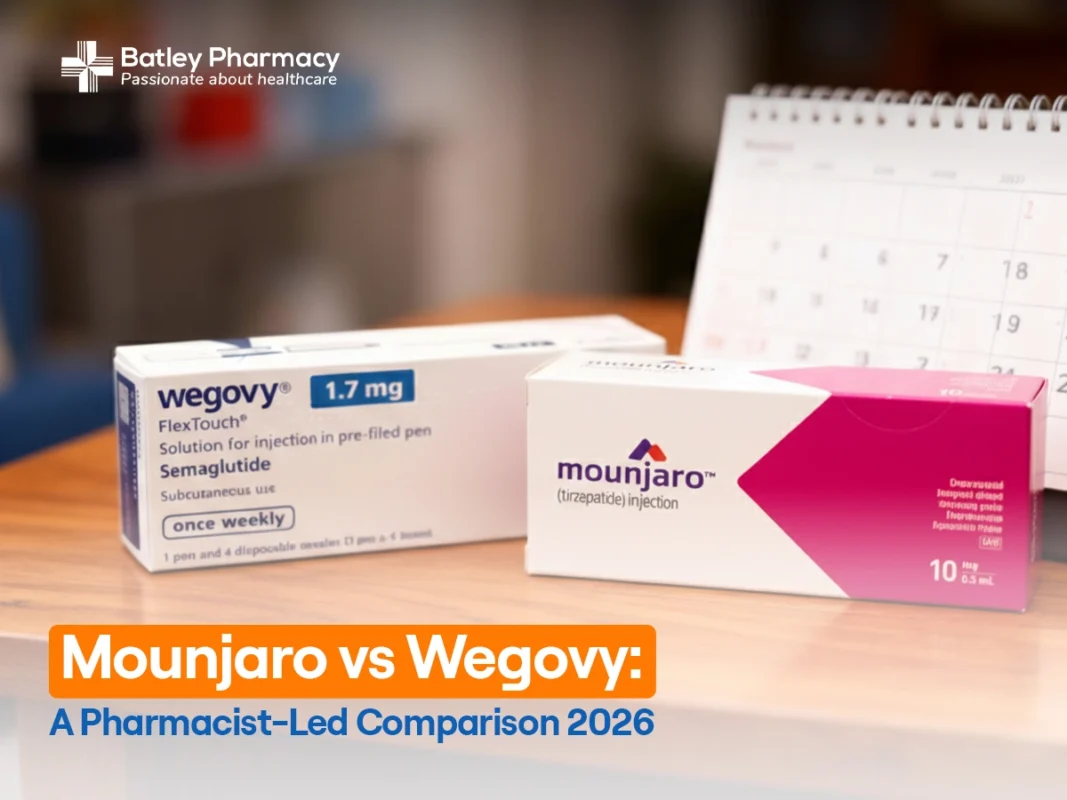
Mounjaro vs Wegovy: A Pharmacist-Led Comparison 2026

Mounjaro vs Wegovy: A Pharmacist-Led Comparison 2026

Weight loss injections have become a clinically proven option for people who struggle to lose weight through diet and exercise alone. Mounjaro and Wegovy are prescription-only, once-weekly injections that support appetite control and weight reduction when combined with nutrition and lifestyle changes.

At Batley Pharmacy, patients access these treatments through a structured in-person consultation, ensuring personalised prescribing, clear expectations, and ongoing safety monitoring throughout their weight loss journey.

Mounjaro vs mounjaro

Understanding Weight Loss Injections in 2026

Weight loss injections work by regulating appetite, reducing hunger signals, and improving metabolic control. They are most effective when prescribed following a full clinical assessment and combined with lifestyle support.

What Is Mounjaro?

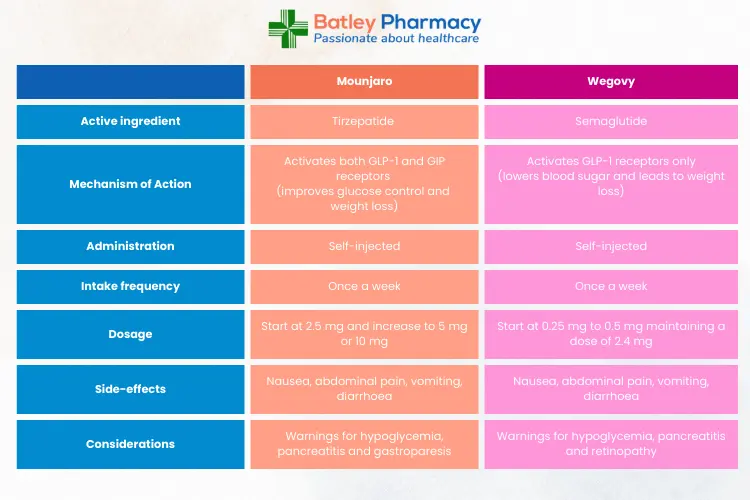
Mounjaro contains tirzepatide, a dual-action medication that targets two hormone receptors involved in appetite regulation. It is administered once weekly via subcutaneous injection and is approved for Weight management in adults with obesity or weight-related conditions and Type 2 diabetes management.

How Mounjaro works:

Mounjaro activates:

  • GLP-1 receptors to reduce appetite and slow digestion
  • GIP receptors to enhance insulin sensitivity and metabolic response

What Is Wegovy?

Wegovy contains semaglutide, a GLP-1 receptor agonist specifically approved for weight loss. It is also injected once weekly.

How Wegovy works:

Wegovy:

  • reduces hunger signals in the brain
  • slows gastric emptying
  • helps patients feel full sooner and for longer

This dual mechanism of Mounjaro sets Mounjaro apart in the Mounjaro vs Wegovy comparison.

Mounjaro vs Wegovy comparison

Why This Comparison Needs Clinical Context

Mounjaro vs Wegovy has become one of the most searched weight loss comparisons in the UK. In clinical settings, prescribing weight loss injections is not about selecting the most powerful medication. It is about identifying the treatment that best matches an individual’s health history, current needs, and capacity for long-term weight management.

Patients commonly attend consultations having absorbed:

  • personal experiences shared on social media or forums
  • the belief that quicker weight loss always means better results

What is often missing from these discussions includes:

  • how Mounjaro and Wegovy act differently within the body
  • why effectiveness varies from one patient to another
  • how side effects, dose increases, and treatment duration influence outcomes
  • the role of ongoing clinical supervision in maintaining safety

This guide’s purpose is to help UK patients understand not only which medication may be associated with greater average weight loss, but how to approach treatment decisions in a safe and informed way.

Mounjaro vs Wegovy for Weight Loss: Clinical Effectiveness

Clinical trial data suggest:

Researchers concluded that while both medications are highly effective, Mounjaro may offer greater weight reduction, particularly for individuals with higher starting body weight.

However, effectiveness also depends on:

  • Tolerability
  • Dose escalation
  • Patient adherence
  • Lifestyle support
Weight Loss Injection

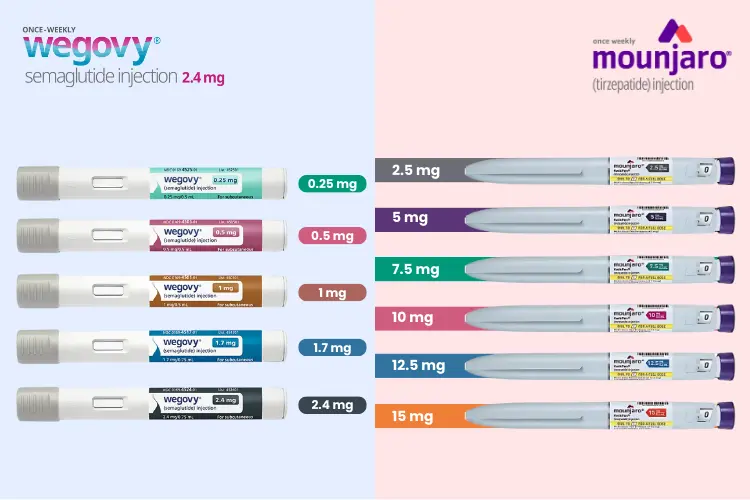
Difference between Mounjaro and Wegovy: Dosing and Titration

Both treatments are usually started at a lower dose and increased gradually. This process is called titration, and it matters because most side effects happen when you start or when the dose increases.

A pharmacist-led plan focuses on:

  • Going up at the right pace and not rushing to “the highest dose”
  • Managing symptoms early so you do not stop unnecessarily
  • Reviewing progress and adjusting strategy when weight loss plateaus

In 2026, there is also an important Wegovy update: the UK regulator has approved a higher maximum dose of semaglutide (Wegovy) up to 7.2 mg weekly for obesity only, which may influence future prescribing and availability, depending on local supply and clinical criteria. 

Mounjaro vs Wegovy Side Effects

Most side effects are digestive and often improve as your body adapts. The most commonly reported include:

  • Nausea
  • Constipation or diarrhoea
  • Heartburn or reflux
  • Feeling overly full
  • Reduced appetite that can lead to under-eating

Practical pharmacist guidance that helps:

  • Smaller meals, slower eating, prioritise protein and fibre
  • Hydration targets and electrolytes when needed
  • Dose timing strategies and symptom tracking
  • Reviewing other medicines (some can worsen nausea or constipation)

Seek urgent medical advice for severe or persistent symptoms, especially severe abdominal pain, vomiting that does not settle, or signs of dehydration. 

Clinical Support at Batley Pharmacy

Choosing between Mounjaro and Wegovy depends on:

  • Weight loss goals
  • Medical history
  • Previous response to GLP-1 medications
  • Side effect tolerance

This is why Batley Pharmacy offers in-person pharmacist-led weight loss solutions, ensuring long-term success rather than short-term results.

FAQs

Which is more successful, Mounjaro or Wegovy?

Both can be highly effective. In a large head-to-head trial, average weight loss at 72 weeks was about 20.2% with tirzepatide (Mounjaro) versus 13.7% with semaglutide (Wegovy), though individual results vary.

When will the pill form of Wegovy be available?

A Wegovy pill has been approved in the US, but UK timing depends on MHRA review, supply, and commissioning. Current reporting suggests UK approval is still pending, so injections remain the main option in the UK right now. 

Why are people switching from Mounjaro to Wegovy?

Common reasons include side effects during dose increases, preference for semaglutide’s tolerability profile, cost differences at maintenance doses, or changes in availability. Switching should be clinician-led to avoid dose mismatch and unnecessary symptoms.

What is 7.5 mg Mounjaro equivalent to on Wegovy?

There is no direct dose equivalent. Tirzepatide and semaglutide are different medicines with different receptors and titration steps. Safe switching depends on your current dose, tolerance, and clinical goals, so it needs a personalised plan.

What is the new weight loss drug in 2026?

In 2026, the biggest “new” developments are next-generation options in trials (not yet approved), plus higher-dose semaglutide developments. For example, retatrutide and other pipeline medicines are progressing, but they are not UK-approved for routine prescribing yet.

How long does it take to see results on Wegovy or Mounjaro?

Many people notice appetite changes within the first few weeks. Measurable weight loss often becomes clearer by weeks 4 to 12 as doses increase and eating patterns stabilise. Your rate depends on dose, diet, sleep, and consistency.

Still Got Questions?

We're here to help you find the answers you need!

Contact Us

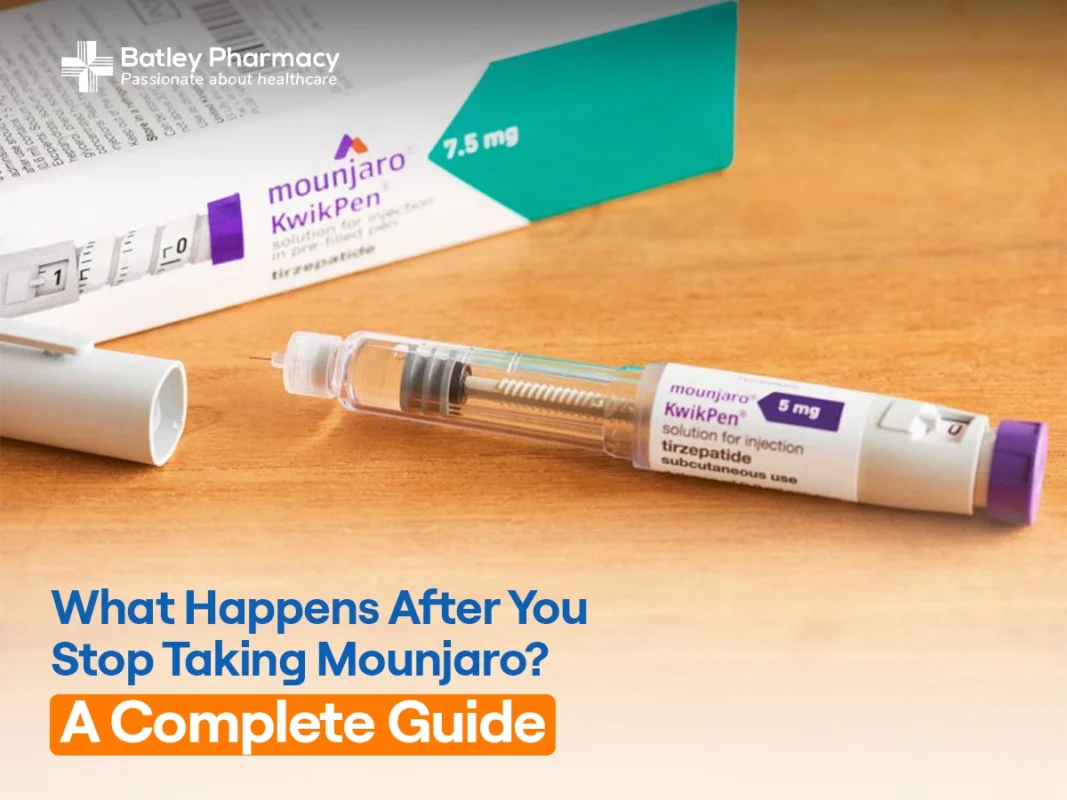
What Happens After You Stop Taking Mounjaro? A Complete Guide

What Happens After You Stop Taking Mounjaro? A Complete Guide

Mounjaro has become one of the most talked-about injectable medications for weight loss. Many people find it effective in reducing appetite, aiding in portion control, and supporting significant weight loss. However, understanding the physical, metabolic, and emotional effects that can occur after stopping Mounjaro is essential for anyone considering or currently using this treatment.

This guide explains what to expect when you stop taking Mounjaro, including appetite changes, weight regain risks, side effects after stopping Mounjaro, and strategies to maintain weight loss while supporting long-term health. 

How Does Mounjaro Work?

Mounjaro contains tirzepatide, a dual-acting medication that stimulates both the GLP-1 (glucagon-like peptide-1) and GIP (glucose-dependent insulinotropic polypeptide) receptors. These hormones help regulate appetite, slow stomach emptying, increase feelings of fullness, and improve insulin sensitivity. While taking Mounjaro, many people experience a sharp reduction in hunger and cravings as well as steady weight loss.

However, the medication does not permanently change your body’s biology. When you stop the weekly injections, the hormonal effects that helped suppress appetite diminish over time as the drug leaves your system.

What to Expect After Stopping Mounjaro

1. Appetite After Stopping Mounjaro

Once you stop Mounjaro, your appetite slowly returns to pre-treatment levels as the medication’s influence fades. This usually begins within a week to two weeks after your last dose and continues over the following weeks as the drug is cleared from your system.

Many people describe a return of what is sometimes called food noise. This means persistent thoughts about food, even when you are not physically hungry, and stronger cravings. Appetite regulation is one of the primary ways Mounjaro supports weight loss, so this return can feel quite noticeable. 

2. Weight Regain and Metabolic Changes

A significant concern is weight regain after stopping Mounjaro. Clinical evidence suggests that when treatment stops, many people regain a portion of the weight they lost within months to a year if lifestyle changes aren’t firmly established. 

This weight regain is related to a number of biological and behavioural factors:

  • Return of hunger signals making it easier to eat larger portions
  • Changes in metabolic rate as your body adjusts to a lower weight
  • Lessening of satiety cues originally strengthened by the medication
  • Psychological responses such as increased food preoccupation 

A review of weight-loss medication studies found that most individuals regained their lost weight within about 18 months of stopping GLP-1 and similar medications, including tirzepatide. 

3. Side Effects After Stopping Mounjaro

Stopping Mounjaro does not usually cause severe withdrawal symptoms, but some people report physical and emotional changes. These can include: 

  • Mild gastrointestinal changes such as nausea, bloating or constipation
  • Increased hunger and cravings
  • Mood shifts such as irritability or low motivation
  • Energy fluctuations
  • Temporary changes to insulin and blood sugar response 

These symptoms are part of the body re-establishing its baseline energy balance and appetite regulation without the medication.

4. Weight Loss Maintenance After Stopping Mounjaro

Mounjaro weight loss maintenance depends on the habits you build during treatment. Those who develop structured and sustainable dietary habits, regular physical activity, and psychological support for behaviour change are more likely to maintain a healthier weight long-term. 

Some people use a tapering approach rather than an abrupt stop under medical supervision. This can help your body adapt slowly while continuing nutritional and behavioural support. Discuss this option with your healthcare provider. 

Strategies to Support Your Weight After Stopping Mounjaro

Follow a Structured Meal Plan

A structured meal plan helps you make consistent, balanced choices without guessing what to eat. Nutrient-dense foods are high in vitamins, minerals, and protein but lower in empty calories, such as vegetables, lean meats, whole grains, and healthy fats. Portion control ensures you get enough energy without overeating, supporting steady weight loss.

Increase Physical Activity

Regular exercise boosts metabolism, strengthens muscles, and supports heart health. Cardiovascular exercises like walking, cycling, or swimming improve endurance and burn calories, while strength training exercises like bodyweight movements or weightlifting help build lean muscle, which increases resting metabolism and supports long-term weight management.

Track Your Eating Patterns 

Keeping a food diary or using a tracking app helps you notice when, why, and what you eat. This awareness makes it easier to recognise true hunger versus emotional or habitual eating. Mindful eating can reduce overeating, improve digestion, and help you develop a healthier relationship with food.

Consider Maintenance Programs

After reaching your weight goals, structured maintenance programs help you maintain results while avoiding weight regain. In some cases, clinicians may suggest alternative medications to support metabolism or appetite control. These should always be used under professional supervision and combined with healthy lifestyle habits for the best long-term outcomes.

Take Control of Your Weight Journey

Stopping Mounjaro can feel challenging, but it also marks a transition to independence in managing your weight. With the right support and lifestyle strategies, you can build habits that promote long-term health and weight stability. For tailored support, speak to our team at Batley Pharmacy about ongoing weight management strategies. Visit our weight loss support page to book an in-person consultation.

FAQs

Will weight come back after Mounjaro?

Many people experience some degree of weight regain after stopping Mounjaro unless lifestyle changes are sustained. Regular diet and exercise habits play a major role in long-term success. 

What to expect after stopping Mounjaro?

Expect a gradual return of appetite, possible weight increase without careful management, and shifts in energy levels as your body adjusts to its pre-medication state. 

What are the side effects of coming off of Mounjaro?

After stopping Mounjaro, some people experience increased appetite, cravings, mild digestive changes and mood shifts due to the return of normal hunger signalling. 

How to come off Mounjaro without gaining weight?

To reduce weight regain, focus on structured diet changes, regular physical activity, behaviour support, and talk to a clinician about tapering. 

Do you have to stay on Mounjaro forever?

Not necessarily, but many people with metabolic conditions find long-term treatment more supportive, similar to therapies for chronic conditions like hypertension.

Can you take a break from Mounjaro?

Some clinicians may recommend short breaks under supervision with adjustments when restarting to prevent side effects. 

What are four of the withdrawal symptoms?

Common effects after stopping include increased appetite, food cravings, mood changes and mild digestive discomfort.

Still Got Questions?

We're here to help you find the answers you need!

Contact Us

Can Mounjaro Affect Your Period? Understanding the Impact on Menstrual Health

Can Mounjaro Affect Your Period? Understanding the Impact on Menstrual Health

For many women on a weight loss journey with Mounjaro, the primary focus is often on metabolic health and body composition. However, as the body undergoes significant hormonal and physiological changes, many patients report unexpected shifts in their reproductive health.

Understanding the connection between Tirzepatide, weight loss, and the menstrual cycle is essential for any woman using this medication. In this guide, we explore the clinical evidence, hormonal mechanisms, and patient experiences regarding Mounjaro and its impact on the female reproductive system.

The Science Behind Mounjaro and the Menstrual Cycle

Mounjaro is a dual agonist that mimics two naturally occurring hormones: glucagon-like peptide 1 (GLP-1) and glucose-dependent insulinotropic polypeptide (GIP). While its primary function is to regulate blood sugar and slow gastric emptying to promote satiety, these metabolic pathways are connected with the endocrine system.

The menstrual cycle is regulated by the hypothalamic pituitary ovarian (HPO) axis. This system is highly sensitive to changes in energy balance, insulin levels, and body fat percentage. When you introduce a powerful metabolic agent like Mounjaro, the resulting physiological shifts can influence how your body manages reproductive hormones such as estrogen and progesterone.

Mounjaro and Periods: Why Changes Occur

Many women notice changes in the frequency, duration, or intensity of their periods after starting Mounjaro. There are several biological reasons why Mounjaro and menstrual cycle fluctuations often go hand in hand.

Rapid Fat Loss and Estrogen Release

Adipose tissue (body fat) stores and produces estrogen. When you lose weight rapidly on Mounjaro, the breakdown of fat cells can release stored estrogen into the bloodstream. This temporary fluctuation in estrogen levels can lead to bleeding, spotting, or changes in the timing of your period.

Insulin Sensitivity and Hormonal Balance

Mounjaro significantly improves insulin sensitivity. For women with conditions like Polycystic Ovary Syndrome (PCOS), insulin resistance is a main cause of irregular cycles. By lowering insulin levels, Mounjaro may actually help regulate the cycle for some, while causing temporary disruptions for others.

Nutritional Intake and Stress

The appetite suppression caused by Tirzepatide often leads to a significant reduction in caloric intake. If the body perceives a sudden caloric deficit as a form of physiological stress, it may prioritise survival functions over reproductive functions, leading to delayed or missed periods.

Does Mounjaro Affect Fertility?

There is no evidence that Mounjaro reduces fertility permanently. In fact, weight loss often increases fertility, particularly in women who were previously struggling with obesity related subfertility. However, there is a phenomenon often discussed in medical circles known as the Mounjaro Baby effect. This refers to unplanned pregnancies occurring in women who previously struggled to conceive or who were using oral contraceptives. 

The official prescribing information for Mounjaro suggests that women using oral contraceptives should switch to a non-oral method or add a barrier method for four weeks after starting the medication and for four weeks after each dose escalation.

Common Mounjaro Side Effects in Women

While gastrointestinal issues are the most frequently reported concerns, Mounjaro side effects in women often include symptoms that mimic or exacerbate menstrual discomfort.

Patients have reported:

  1. Increased cramping during the first few months of treatment.
  2. Changes in flow heaviness.
  3. Premenstrual syndrome (PMS) symptoms that feel more intense due to the body adjusting to lower blood sugar levels.
  4. Fatigue, which can be compounded by both the medication and the menstrual cycle.

It is important to track these symptoms to determine if they are cyclical or persistent. Most women find that their bodies stabilise after the first three to four months of treatment.

Impact on Polycystic Ovary Syndrome (PCOS)

For women with PCOS, the impact of Mounjaro on the menstrual cycle is often viewed as a positive side effect. PCOS is characterised by irregular periods and high androgen levels. Clinical research into GLP-1 and GIP receptor agonists suggests that by addressing the root cause of PCOS (insulin resistance), these medications can help restore regular ovulation.

A 2022 study indicates that weight loss of even 5 to 10 percent can restore ovulatory cycles in women with PCOS. Because Mounjaro facilitates significant weight loss, many patients find their periods becoming more predictable for the first time in years.

Managing Menstrual Changes on Mounjaro

If you experience changes to your cycle while using weight loss injections from Batley Pharmacy, consider the following steps:

  1. Maintain a Cycle Diary: Document the dates, flow intensity, and any pain. This data is invaluable for your healthcare provider.
  2. Prioritise Nutrition: Ensure you are consuming enough protein and micronutrients. Iron deficiency can occur if periods become heavier or if dietary intake is too low.
  3. Hydration and Electrolytes: Mounjaro can cause dehydration, which can make menstrual cramps feel more severe.
  4. Consult Your Pharmacist or GP: If you experience postmenopausal bleeding or extremely heavy bleeding that lasts more than seven days, seek medical advice immediately.

Final Thoughts

While Mounjaro can affect periods, these changes are usually a byproduct of the significant metabolic improvements taking place in your body. Whether you are experiencing temporary irregularities or a welcome return to a regular cycle, understanding the hormonal landscape is key.

If you are starting your weight loss journey with Batley Pharmacy, always discuss your reproductive goals and any history of menstrual irregularities with our clinical team to ensure your treatment plan is optimised for your specific needs.

FAQs

Can Mounjaro make your period late?

Yes. Mounjaro causes rapid weight loss and metabolic shifts that can stress the body or alter hormone levels, potentially delaying ovulation and making your period late. Most cycles regulate once your weight stabilises and your body adjusts to the dose.

Does Mounjaro interfere with birth control?

Mounjaro slows stomach emptying, which may reduce the absorption of oral contraceptive pills. It is recommended to use a backup barrier method or switch to a non-oral contraceptive like an injection or IUD during treatment for maximum safety.

Why is my period so heavy on Mounjaro?

Heavy periods can occur due to the release of stored estrogen from fat cells during rapid weight loss. This hormonal surge can thicken the uterine lining, leading to a heavier flow as the body adapts to new hormone levels.

Can Mounjaro cause spotting between periods?

Spotting or breakthrough bleeding is a common side effect of Mounjaro as the body navigates changes in insulin sensitivity and estrogen levels. If spotting persists for several months or is painful, you should consult a healthcare professional.

Will Mounjaro help my PCOS periods?For many women, Mounjaro helps regulate periods by improving insulin sensitivity and reducing androgen levels. This can lead to more consistent ovulation and a more predictable menstrual cycle for those previously struggling with PCOS-related irregularities.

Still Got Questions?

We're here to help you find the answers you need!

Contact Us

How Do Weight Loss Injections Work?

Weight loss injections have proved to be a promising solution in weight management for many individuals struggling with obesity or being overweight. Originally developed for diabetes, these weight loss medications have shown significant effectiveness after undergoing a number of clinical trials.

Batley Pharmacy provides access to weight loss injections after a thorough clinical assessment to determine their suitability for you. These are prescription-only medications designed to help reduce appetite, regulate blood sugar levels and support sustainable weight loss. 

Best Weight Loss Injections In The UK

The most commonly prescribed weight loss injections in the UK include:

Mounjaro (Tirzepatide)

Mounjaro is a dual-action weight loss medication that targets two key hormones: GLP-1 (glucagon-like peptide-1)  and GIP (glucose-dependent insulinotropic polypeptide). This activation reduces appetite and improves insulin resistance. 

Wegovy (Semaglutide)

Wegovy is a once-weekly weight loss injection and a GLP-1 receptor agonist. This works by slowing gastric emptying, reducing hunger and improving blood sugar. It is specifically for individuals dealing with chronic weight management.

Ozempic (Semaglutide)

Ozempic also contains semaglutide, but has a lower dosage as compared to Wegovy. It is licensed for managing type 2 diabetes, and due to its GLP-1 action, individuals experience reduced appetite and significant weight loss.

How Do Slimming Injections Help You Lose Weight?

Weight loss injections mimic natural hormones that help control hunger and satiety, promoting sustainable weight loss. Most of these injections belong to the class of GLP-1 receptors. As these receptor agonists slow down gastric emptying and increase the feeling of fullness, it makes it easier for the patients to follow a low-calorie diet and stay consistent.

Clinical studies support the efficacy of weight loss injections:

  • SURMOUNT-1 trial conducted among individuals for over 72 weeks showed that Mounjaro resulted in 22.5% of weight loss among participants.
  • The STEP 1 trial showed that participants using Wegovy over 68 weeks lost an average of 14.9% of their body weight.

How Does Ozempic Work For Weight Loss?

Ozempic (semaglutide) is licensed for type 2 diabetes and has shown significant weight loss. It works by:

  • Mimicking GLP-1 receptors 
  • Reducing hunger 
  • Slowing digestion
  • Enhancing satiety 
  • Improving appetite control

Wegovy Weight Loss Explained

Wegovy is a GLP-1 receptor agonist containing a higher dose of semaglutide than Ozempic. It is administered once weekly and is approved for individuals with:

  • A BMI equal to or higher than 30
  • A BMI equal to or higher than 27 with a weight-related health condition

It is recommended that Wegovy be used in conjunction with a calorie-restricted diet and regular physical activity. We offer Wegovy and ensure it becomes a part of a sustainable weight loss strategy.

How Do GLP-1 Injections Reduce Appetite?

GLP-1 injections reduce appetite through multiple mechanisms:

  • Reducing hunger signals 
  • Enhancing post-meal fullness
  • Delaying gastric emptying
  • Targeting the hypothalamus

These combined effects help create a natural calorie deficit, making weight loss easier for individuals with persistent hunger and insulin resistance.

Ready To Begin Your Weight Loss Journey?

Batley Pharmacy offers clinically supported weight loss injections after a complete health assessment. If you are eligible, our expert team will guide you through available weight loss options, explain how they work, and choose the one that best fits your needs. 

In addition to treatment, we also provide practical, evidence-based advice on healthy eating and physical activity to support sustainable weight loss results. Book your in-person consultation with us today!

FAQs

u003cstrongu003eDo weight loss jabs really work?u003c/strongu003e

Yes. Clinical trials have shown that GLP-1-based weight loss injections can result in substantial weight loss when used in conjunction with lifestyle modifications.

u003cstrongu003eHow long do weight loss jabs take to work?u003c/strongu003e

Most people begin to see changes in appetite within 2–4 weeks. Noticeable weight loss often appears after 8–12 weeks, with peak results over 6–12 months.

u003cstrongu003eWhat do weight loss injections do in the body?u003c/strongu003e

They mimic natural body hormones that regulate appetite, delay stomach emptying, and enhance satiety.

u003cstrongu003eWhich weight loss injection is the most effective?u003c/strongu003e

Mounjaro has shown the most weight loss in clinical trials so far, but it still depends on your health status and medical history about whether the right weight loss injection is advised for you.

u003cstrongu003eAre weight loss injections safe for everyone?u003c/strongu003e

No. These injections are not suitable for pregnant individuals, those with certain thyroid conditions, or people with a history of pancreatitis. Our pharmacists can assess your suitability.

u003cstrongu003eWhat are the side effects of weight loss injections?u003c/strongu003e

Common side effects of weight loss injections include: nausea, vomiting, constipation or diarrhoea, headache, and fatigue.

u003cstrongu003eDo weight loss injections suppress appetite?u003c/strongu003e

Yes, appetite suppression is one of the primary mechanisms by which GLP-1 receptor agonists support sustainable weight loss.

u003cstrongu003eWhat happens if you stop taking weight loss injections?u003c/strongu003e

If you stop using them, you may regain weight if lifestyle changes are not maintained.

u003cstrongu003eIs exercise necessary while using slimming injections?u003c/strongu003e

Yes. While the injections reduce appetite, combining them with regular physical activity helps preserve muscle mass and enhances fat loss outcomes.


Still Got Questions?

We're here to help you find the answers you need!

Contact Us